Exploring Dara // Türkiye
A quiet village whose mausoleums bear silent testimony to its long and tumultuous past

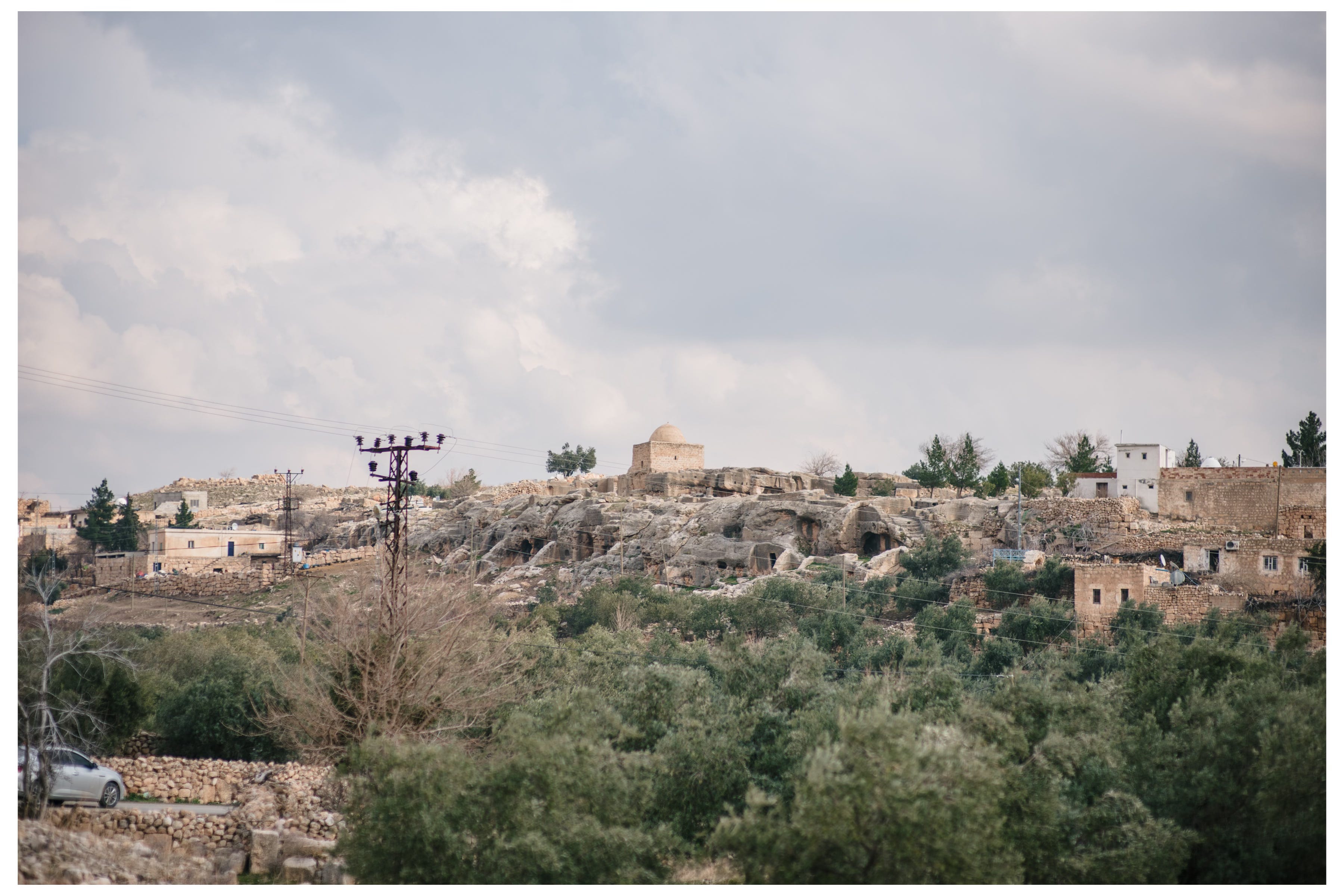
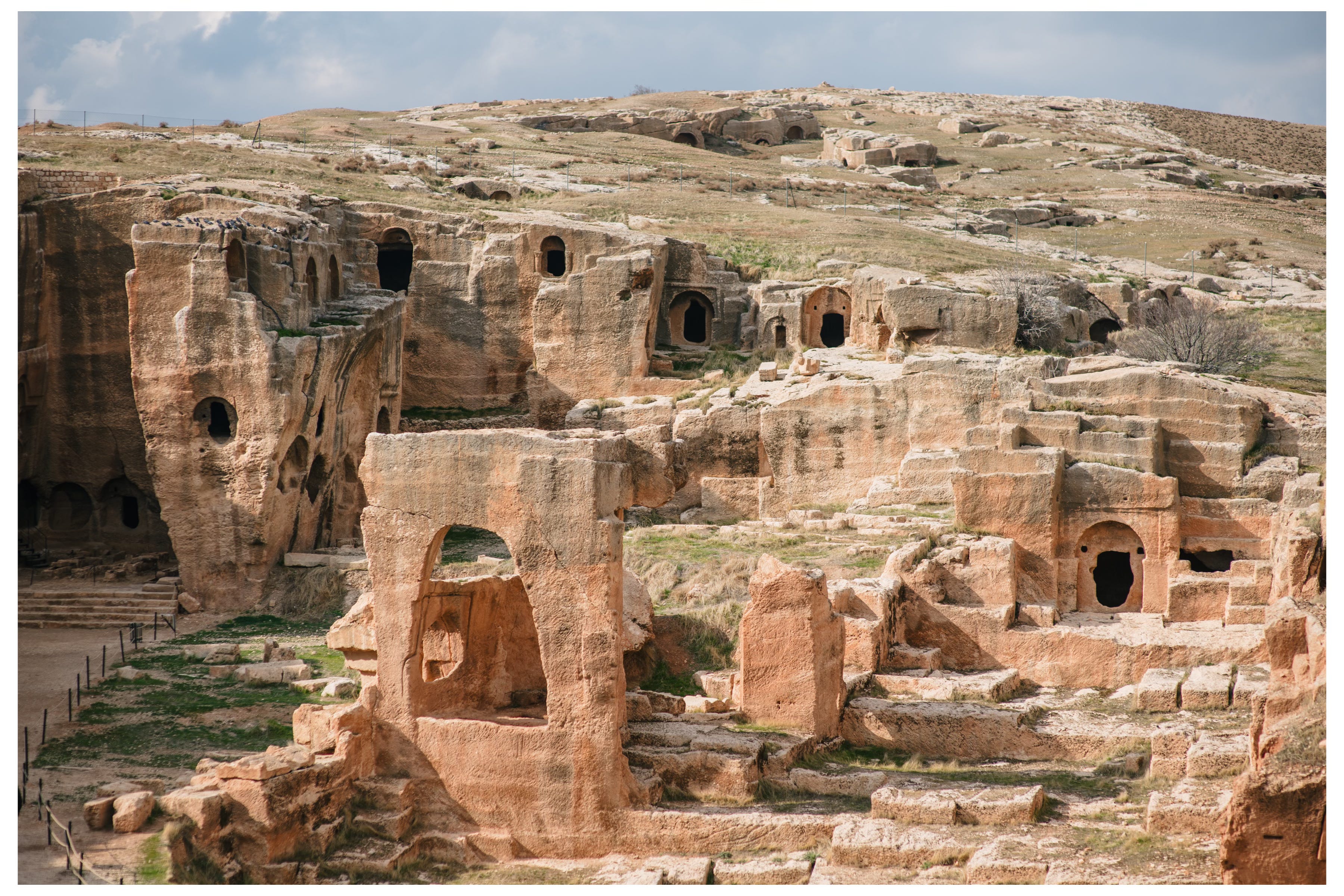
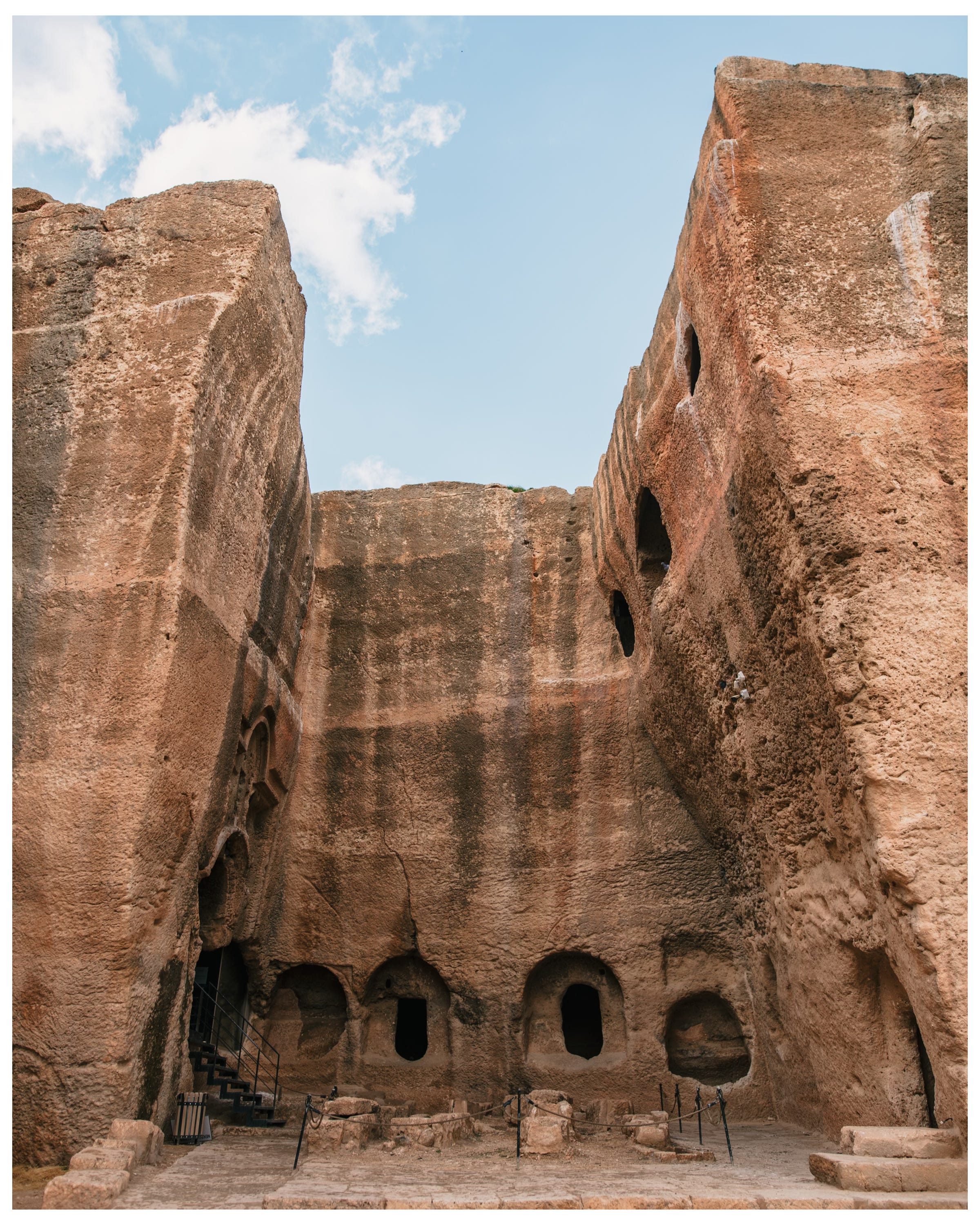
The town of Dara, today in Southeastern Turkey just a few miles from the Syrian border, was founded as a fortress in 505 AD on the edge of two other empires: Rome and Persia. Its crumbling walls stand as reminders of its military history, captured and recaptured and captured again by Persians, Romans, Arabs, Seljuks, and Artuqids until borders shifted and its significance faded away. The stones for these walls were quarried from the surrounding hills, and the quarries later became an expansive necropolis, a city of the dead.
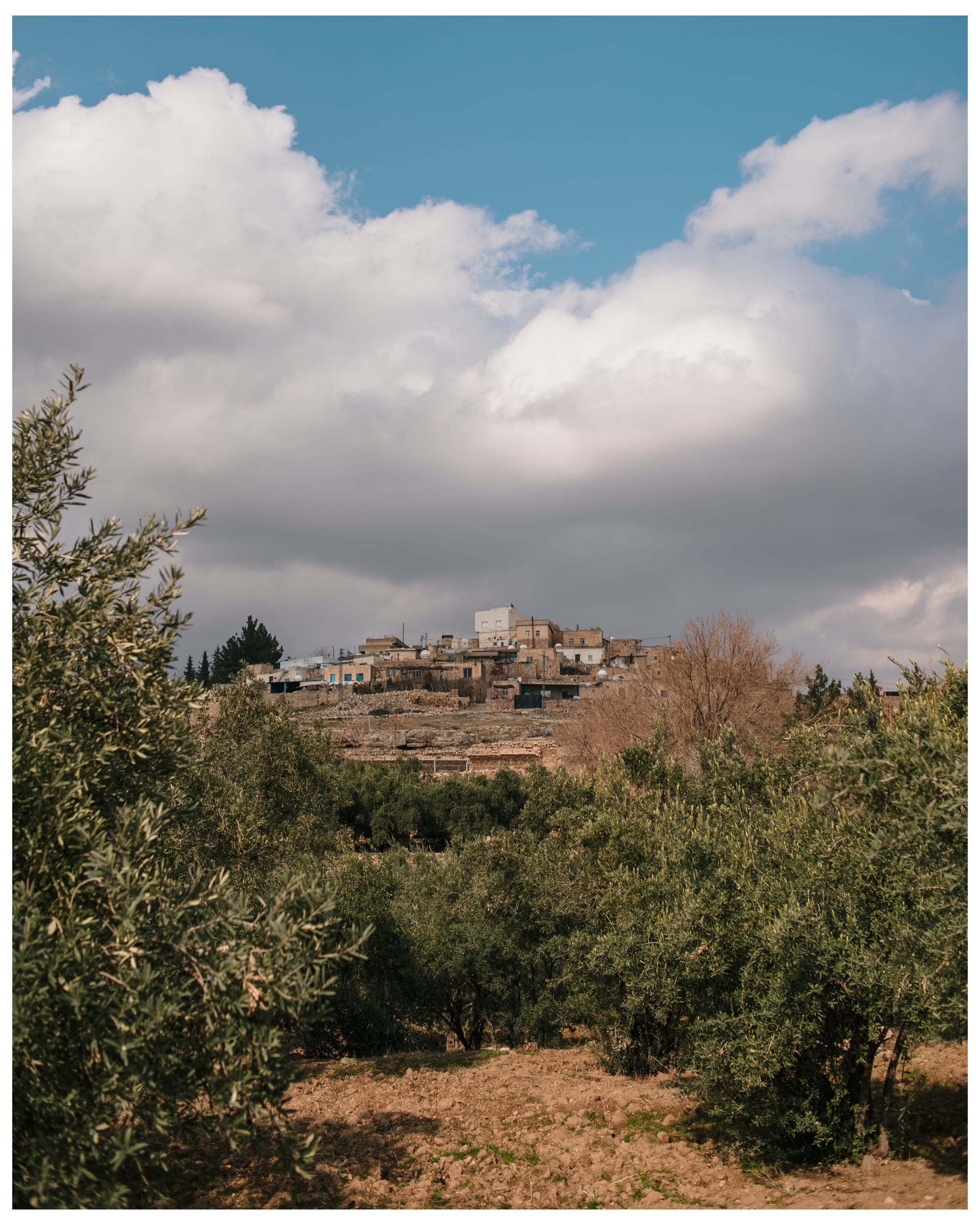
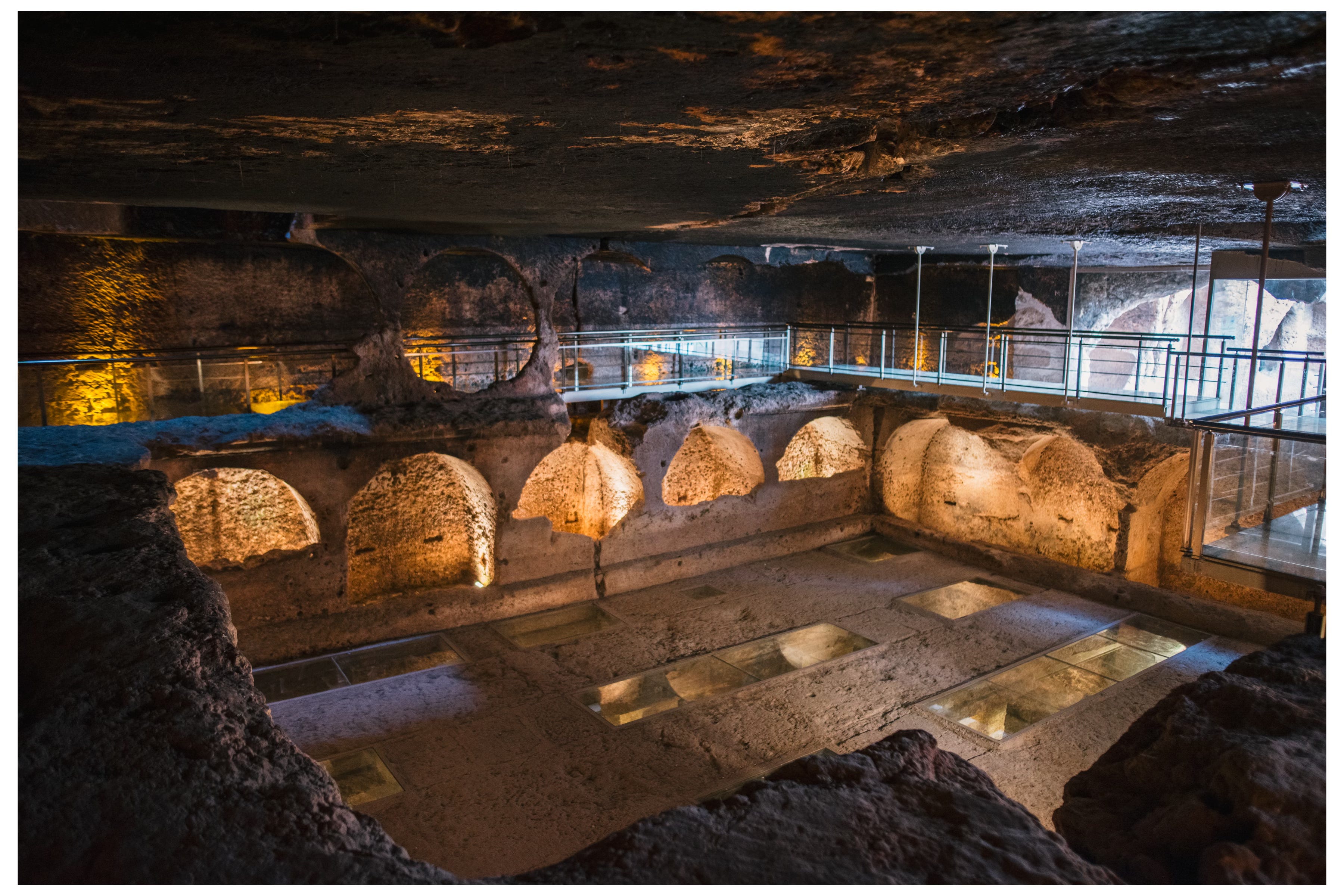
Death thus has a long and visible history in the town, and one of its most recent chapters is its most tragic. In 1915, the city’s giant cisterns, originally built to sustain life, were made into unmarked mass graves for nearly 8,000 men, women, and children killed in the mad violence of that spring and summer. One of the largest cisterns, able to hold 2 million liters of water, is located under the foundation of a formerly-great cathedral that has also been lost to time. Above ground, only its western wall remains. Today, a man has set up a teashop for tourists in the wall’s shadow, and children skip ropes in the field across the street. Except for their laughter and an occasional rooster’s crow, the town is quiet, and outside its limits fields of green run to the far horizon.


The City of the Dead
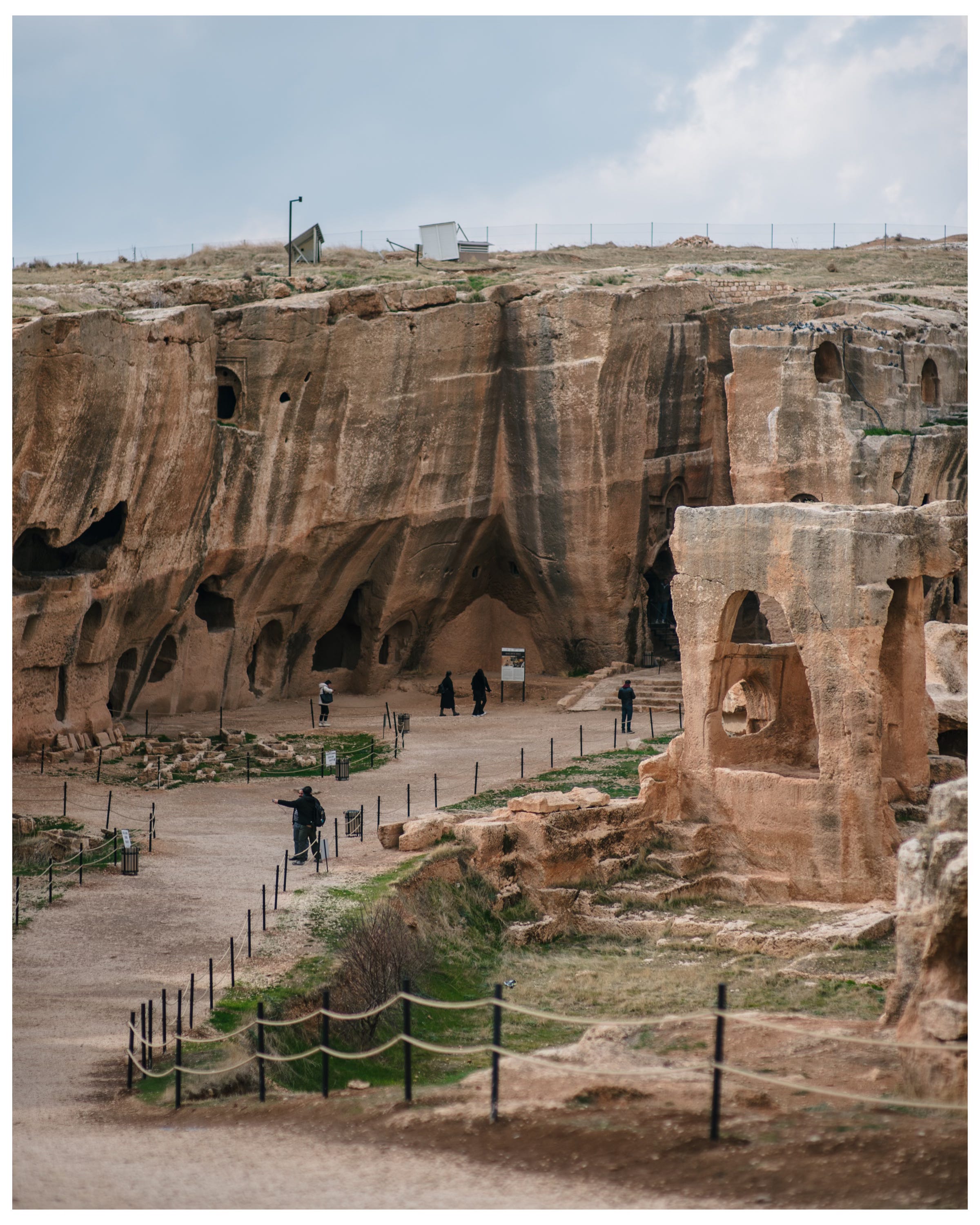
Over the door of the largest mausoleum in the necropolis is a carved relief of the prophet Ezekiel speaking to the valley of dry bones. The crypt holds hundreds and was likely built for those lost in the Sassanian conquest of 573. Ezekiel’s sign preaches hope, hope that the dead will be made alive once more by the breath of God.
And the Lord asked Ezekiel, “Son of man, can these bones live?”
“Sovereign Lord, you alone know,” Ezekiel said.
And the Lord told Ezekiel to prophesy thus to the bones: “Dry bones, hear the word of the Lord! I will send my Spirit upon you, and you will come to life. I will strengthen you with flesh and cover you with skin, and I will put breath in you, and you will live again; Then you will know that I am the Lord.”
As Ezekiel spoke these words, there was a noise, a great rattling. Bones snapped to bone. Joints clicked into place. Tendons grew to hold them there, muscles wrapped around them, vibrant red, and skin smooth as a newborn’s spread over the muscles’ surface — and yet they lay there, still, for they had no breath.
Then once more the Lord told Ezekiel to prophesy: “Prophesy to the breath; prophesy, son of man, and say to it, ‘This is what the Sovereign Lord says: Come, breath, from the four winds and breathe into these slain, that they may live.’”
And Ezekiel did as he was told, and the Spirit flew from the four winds into the bones, and with chests heaving they began to stand, a multitude.